Why storing coffee at home is more important than you think
Specialty coffee that you buy freshly roasted is only at its best for a short time. Storing your coffee properly at home is not just a matter of hygiene or kitchen order — it is a direct factor in whether your cup will be sweetly aromatic or dull and flat. And since specialty coffee can easily cost €10-15 in a 250g bag, storing it incorrectly is literally a waste of money.
In this guide you will understand, why coffee loses its aroma, which enemies destroy it first, and how to make one simple change every day that will elevate every cup to the next level. Finally, there's a practical checklist of the seven most common coffee storage mistakes — check it out and see how many of them you make yourself.
The four enemies of fresh coffee: oxygen, light, moisture and heat
Roasted coffee beans are a complex organic substance with over 800 aromatic compounds. Immediately after roasting, an inevitable process of degradation begins — your job when storing coffee at home is simply to slow it down as much as possible. The four main factors of degradation are:
- Oxygen (oxidation): Exposure to oxygen from the air is the most important cause of aroma loss. Oxidation breaks down the unsaturated fatty acids in coffee oils and destroys volatile aromatic compounds — the result is a dull, cardboard-like coffee with no depth. Ground coffee has an enormously larger surface area than whole beans, so oxidation hits it several times faster.
- Light: UV and visible light accelerate the photooxidation of coffee oils. A clear glass container on the counter is just as detrimental to coffee aroma as improper heat storage — no matter how pretty it looks. Sensory tests show that coffee in opaque containers retains a significantly more pronounced flavor profile after two weeks than coffee in glass jars in the light.
- Moisture: High water activity (aw) in the environment allows for premature partial extraction of ground particles and promotes mold growth. Condensation — which occurs every time you take a cold container from the refrigerator to a warm kitchen — is one of the most common and least obvious sources of moisture in home coffee storage.
- Heat: Higher temperatures increase the rate of all chemical reactions, including oxidation. Coffee left on a stovetop or on a windowsill exposed to late afternoon sunlight ages five times faster than coffee in a cool, dark space.
Ground coffee vs. coffee beans: why the difference is not small
When you grind a coffee bean, its surface area in contact with air increases by a factor of between 10,000 and 15,000. This is not hyperbole — it is the geometric reality of grinding. The implications for storage are radical:
- Freshly ground coffee begins to lose key aromatic compounds in the first 15 minutes after grinding.
- After 24 hours of storage in an open container at room temperature, ground coffee loses a noticeable proportion of its volatile aromas.
- After 7 days, the difference between freshly ground and pre-ground coffee is noticeable in cupping evaluation without special training — the coffee is more one-dimensional, shallow, often with a woody or papery aftertaste.
- Whole grains in a suitable container at a stable room temperature retain a satisfactory aroma 4–6 weeks by roasting date.
The recommendation is clear: buy whole beans and grind just before brewing. If this is not always possible, buy ground coffee in smaller quantities and use it within 7-10 days.
Proper Container and Packaging: What Really Works
Choosing a coffee storage container isn't an aesthetic decision — it's a functional one. Here are the options, from best to worst:
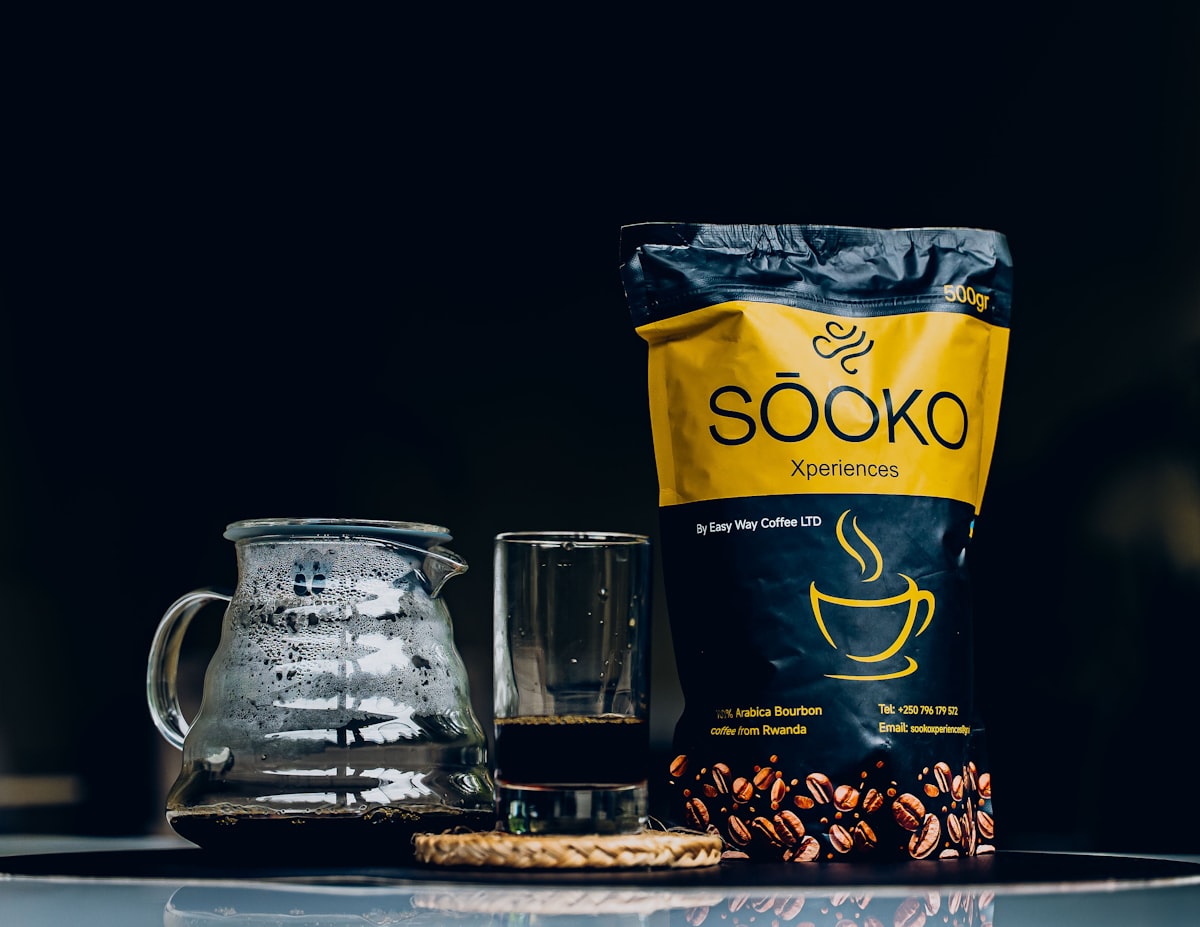
- Original bag with CO₂ valve and zip closure: Specialty roasters (including Ørin Coffee) package their coffee in bags with a one-way valve that lets the CO₂ from the coffee out but not the oxygen in. As long as the bag is sealed and undamaged, this is the optimal packaging for short-term storage.
- Opaque, airtight containers with a tight-fitting lid: Ceramic or steel containers with a rubber seal are a great long-term alternative. Store them in a dark drawer or cabinet, away from heat.
- Vacuum containers: Vacuum pump containers, which actively remove air, are the best solution for long-term storage of grain supplies. They are especially suitable if you are buying in larger quantities.
- Ordinary glass containers: Acceptable only if opaque and have a tight seal. Clear glass containers are unsuitable for storing coffee.
- Plastic supermarket bag or original bag without seal: The worst option — it lets air and moisture through, often absorbing odors.
Myth: Coffee should be stored in the refrigerator
This is one of the most common pieces of advice we hear — and one of the most misunderstood. The truth is more complex:
Why the refrigerator almost always hurts: The refrigerator is a humid, smelly environment with daily temperature fluctuations. Every time you take a container of coffee and put it back in the refrigerator, condensation forms on the inside surface — microdroplets of water fall directly onto the coffee beans or ground coffee. In addition, coffee absorbs odors from the environment: after a week in the refrigerator with cheese and leftovers from dinner, your coffee will have a subtle but noticeable “kitchen” note.
When is a refrigerator the lesser evil: In summer, in extremely humid kitchens (ambient aw above 0.7), when alternative storage is not dry or cool enough. In this case: the coffee must be in a hermetically sealed, airtight container; never take it out and put it back in several times a day; let the container warm to room temperature before opening.
Freezer — yes or no: Freezing is a legitimate technique for long-term storage (e.g. you bought several bags at once). The conditions are strict: portion the coffee into small units (one to two weeks of consumption), seal in vacuum bags, never defrost and return to the freezer. The defrosted portion goes directly into the grinder.
Specialty coffee and optimal consumption window
If you buy specialty single-origin coffee with a clearly marked roast date, you have a privilege and a responsibility: consume that coffee within the right time window. The general recommendation for espresso is 7–21 days after roasting, and for filter coffee 5–35 days after roasting. Right after roasting, the coffee is oversaturated with CO₂ (tangible in the “blooming” phase during preparation), and after five weeks, most of the volatile aromas have already evaporated.
Buying in smaller quantities — 250g every two weeks — is better than a kilo of stock that you use up in two months. Specialty coffee is not an investment good; it is a perishable food with optimum flavor.
7 Coffee Storage Mistakes: A Checklist for Every Kitchen
To help you check your situation at home, we've put together a handy checklist of the seven most common coffee storage mistakes. You'll receive it directly to your email address — along with concrete solutions for each mistake and a specialty corner for dedicated coffee lovers.
- Transparent container on the counter — light destroys aroma in weeks, not months.
- Refrigerator without proper protection — condensation and odors are silent destroyers.
- Excessive stocks — 1 kg for a solo drinker means two months old coffee.
- Location next to the stove or by the window — heat and light are incompatible with aroma.
- Container without seal — every breath of air is a step towards oxidation.
- Opening a large container frequently — each opening brings in fresh oxygen; portion it.
- Storing ground coffee for too long — after seven days, most of the aromas are already lost.
Free gift
Checklist: 7 coffee storage mistakes